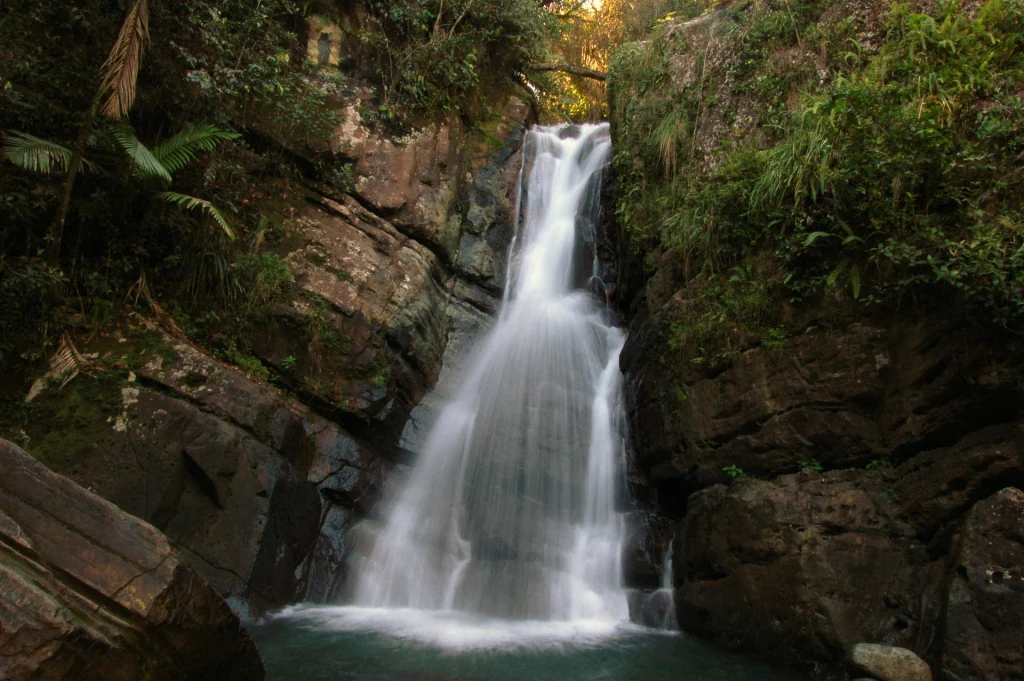
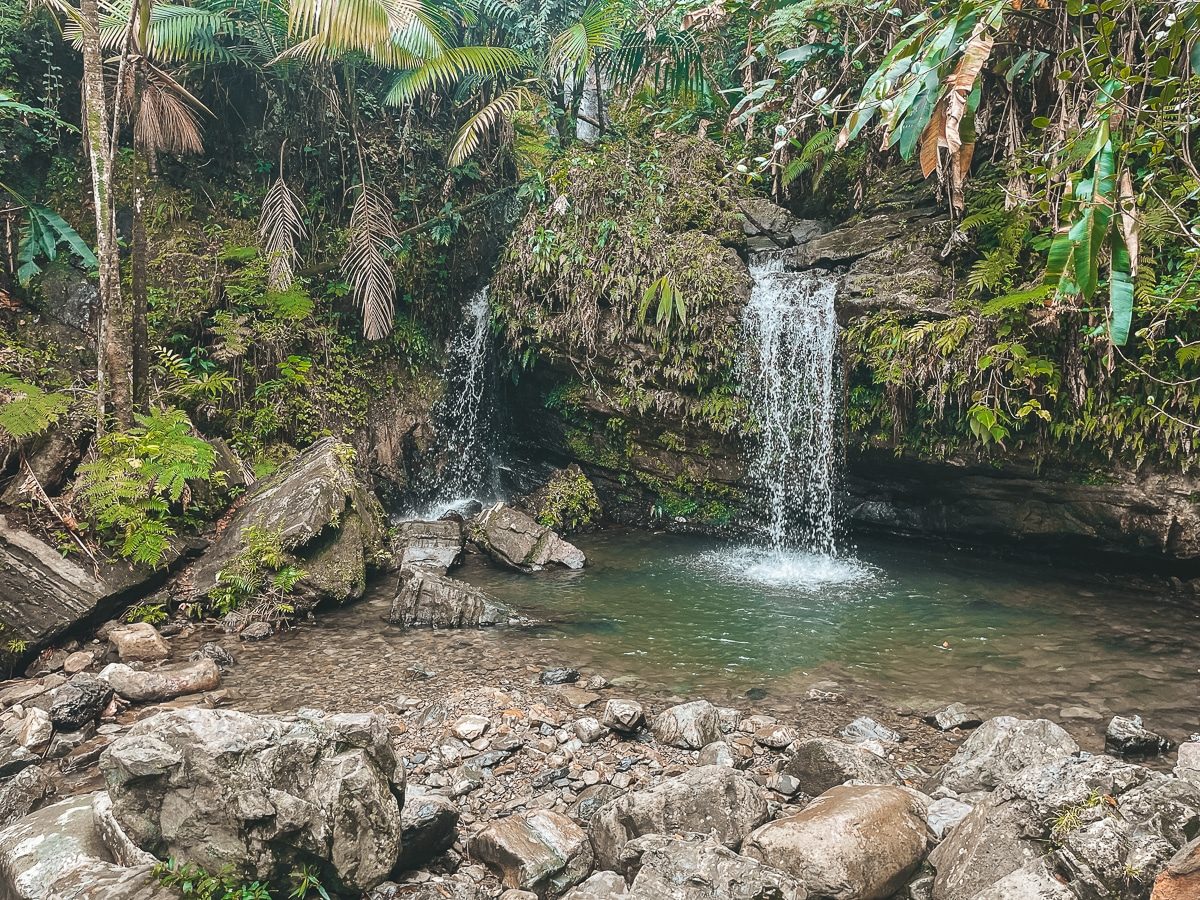
La Mina Falls
A popular waterfall accessible by trail, featuring a natural pool at its base.
Visit mid-week to observe the falls with fewer people present.

Covering over 28,000 acres in the Luquillo Mountains, Puerto Rico's tropical rainforest offers diverse ecological zones and historic landmarks. This guide outlines the principal activities, hiking routes, and natural features accessible along the main recreational corridor.
Quick answer
When determining what is there to do in el yunque, visitors primarily explore over 28,000 acres of terrain to hike trails, climb historic observation towers, and view cascading waterfalls. The forest opens daily from 08:00 to 17:00 with free general entry. Arriving between 08:00 and 09:00 is essential to secure parking.
The Luquillo Mountains of Puerto Rico harbor the only tropical rainforest in the United States National Forest System, receiving over 200 inches of rain annually at its highest elevations. When travelers ask what is there to do in el yunque, the answer revolves around navigating its distinct ecological zones, which range from lowland tabonuco forests to the high-altitude dwarf forest near the mountain peaks. The main recreational corridor along Road PR-191 provides the central artery for exploring these distinct biomes, funneling visitors toward the most concentrated areas of natural landmarks and trailheads. Most visitors focus their time on the trail system, which caters to different mobility levels and time constraints. Short, paved pathways near the entrance give way to steep, muddy ascents deeper into the reserve. Hiking allows you to observe the complex rainforest canopy, spot native flora like giant tree ferns, and listen for the calls of the endemic coquí frog. The landscape is also marked by Spanish colonial and Civilian Conservation Corps history, visible in the stone architecture of trail shelters and bridges scattered throughout the terrain. Navigating these paths provides a direct look at how the island's geology and climate interact to support thousands of native plant species. Beyond hiking, the landscape provides opportunities for viewing cascades and ascending historical structures. Observation towers constructed in the 1930s pierce the dense green canopy, offering panoramic sightlines that stretch all the way to the northeastern coastline on clear days. Waterfalls serve as primary gathering points, with some locations permitting access to natural wading pools formed at their bases. Because the terrain is steep and subject to frequent, sudden downpours, engaging with these Puerto Rico rainforest attractions requires proper footwear and preparation for wet conditions. The rivers that carve through this landscape are prone to flash flooding, making environmental awareness an essential part of any outdoor activity here. Structuring a trip depends heavily on your physical stamina and environmental interests. Some groups prefer an expedited driving tour with brief stops at roadside cascades and observation points, taking advantage of the designated pull-offs. Others commit to half-day treks targeting specific elevations, such as the rugged trails leading toward Mount Britton. As you finalize your itinerary using this what is there to do in el yunque guide, remember that the tropical environment dictates the daily pace. Cloud cover, ongoing trail maintenance, and daily visitor capacities frequently influence which specific El Yunque points of interest remain accessible on any given morning.
“The tropical environment dictates the daily pace, with cloud cover and trail maintenance frequently influencing which points of interest remain accessible.”
El Yunque National Forest offers a variety of natural landmarks ranging from observation towers to cascading waterfalls. These sites provide opportunities to experience the biodiversity and terrain of Puerto Rico's rainforest.
A popular waterfall accessible by trail, featuring a natural pool at its base.
Visit mid-week to observe the falls with fewer people present.
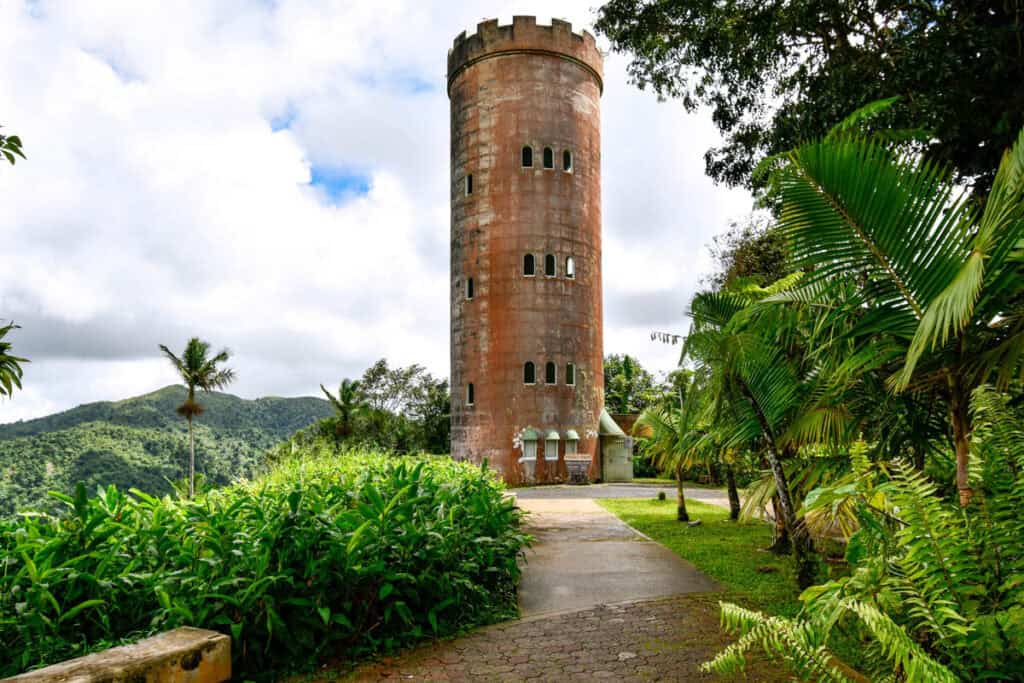
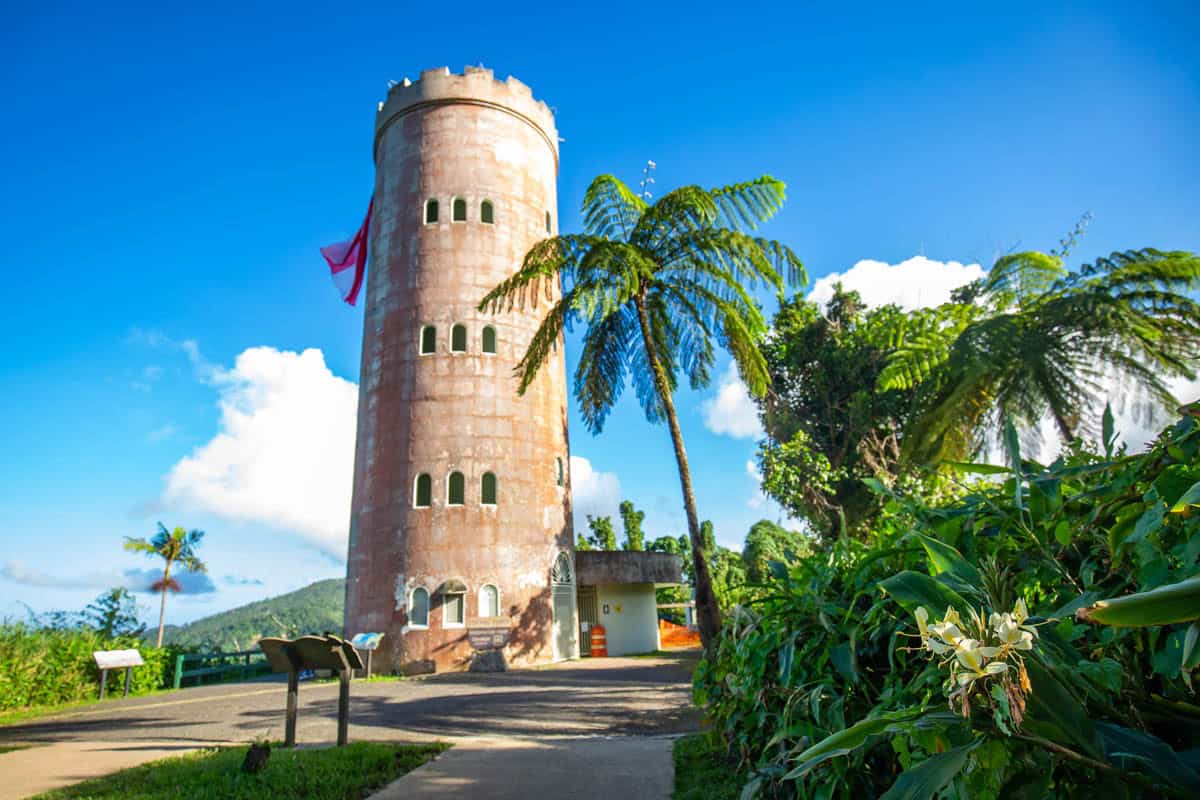
This concrete observation tower offers panoramic views of the forest canopy and the coastline.
Climb to the top observation deck for clear visibility of the Atlantic.
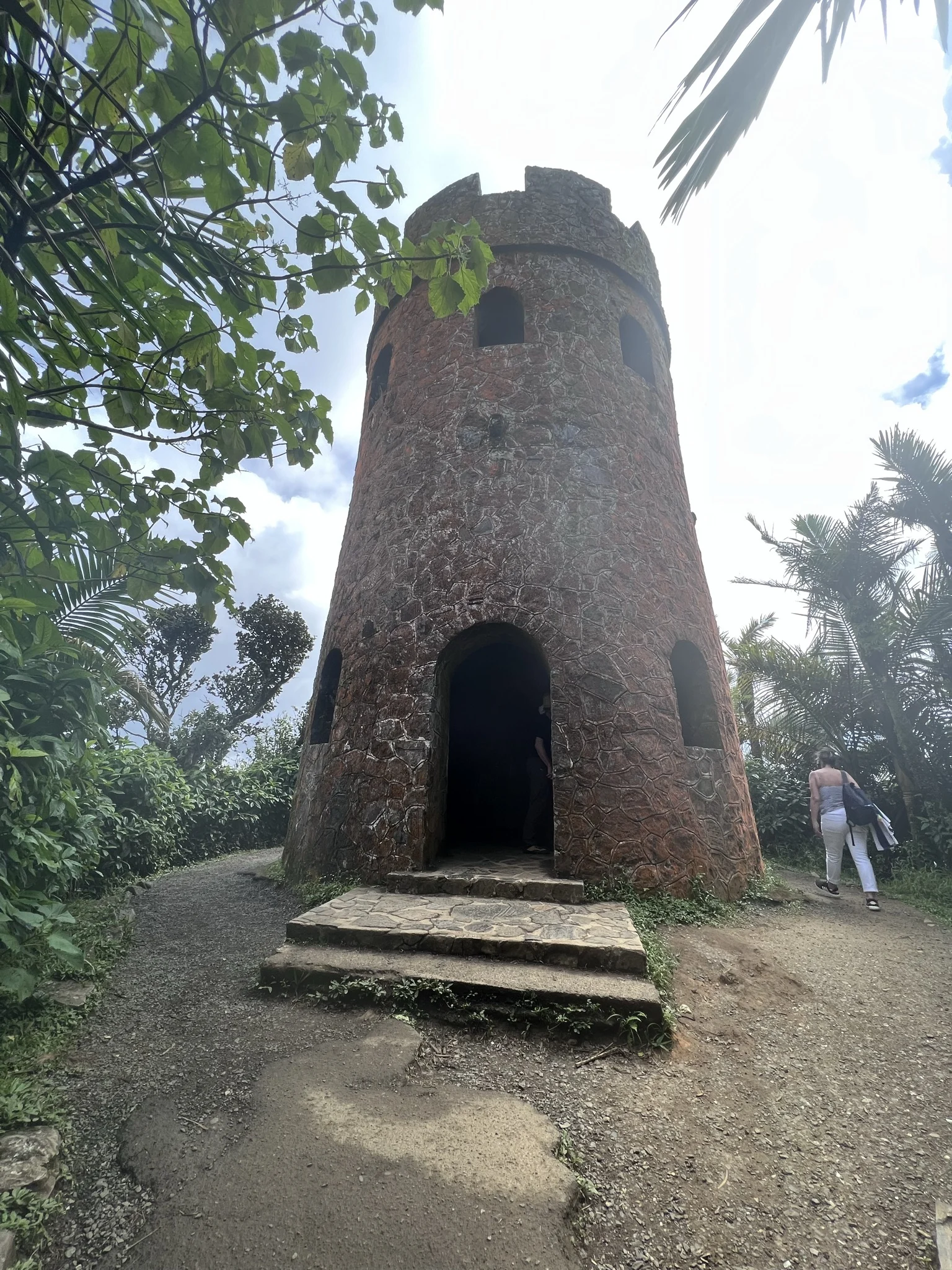
A historic stone tower located at a high elevation, accessible via a dedicated hiking trail.
Walk the path early to experience the cloud forest mist.
A series of smaller, tiered waterfalls located along the main road that are popular for short hikes.
Follow the rugged side trail to reach the upper sections.
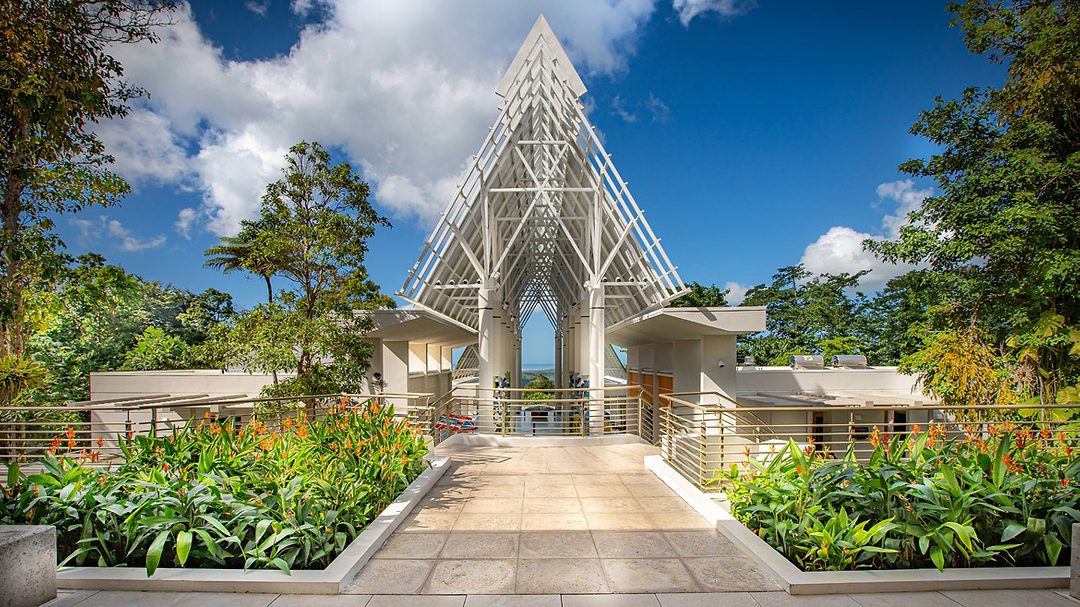
An educational hub providing information on the forest ecosystem, local flora, and conservation efforts.
View the exhibits to learn about the forest environment before exploring.
This half-day itinerary covers the main stops along Road PR-191, designed for first-time visitors looking to experience the forest's primary trails and observation points. The route takes approximately four to five hours, starting at the lower elevations and working upward.
Start your day viewing the educational exhibits and an introductory film about the rainforest ecosystem. Allocate about 45 minutes here before driving up the mountain.
Pull over along PR-191 to observe the 85-foot drop of La Coca Falls. Drive a short distance higher to climb the steps of Yokahú Tower for coastal views.
Hike this 0.8-mile uphill path through the Sierra palm forest. The walk takes about 45 minutes one-way and ends at a historic stone observation tower.
Pause at this historic stone pool constructed by the Civilian Conservation Corps in the 1930s. It offers a shaded environment to sit after your hike.
Complete your morning with a 0.4-mile loop starting near the Palo Colorado area. This 20-minute walk features giant tree ferns and native flora.
The best arrival window is 08:00–09:00, as arriving early is essential to secure limited parking and avoid peak midday crowds. Planning your visit around weather patterns and seasonal shifts further enhances the experience.
—
These times offer the lowest visitor density for trail access. Arrive early to ensure you secure a parking spot before capacity is reached.
Warm, 75°F–85°F
These shoulder months feature drier conditions and fewer tourists than mid-winter. Trails are generally more accessible during this window.
Humid, 76°F–88°F
While this is peak hurricane season, visitor numbers are lower. Trails may be muddy, so check local conditions before departure.
Verdict: The most effective strategy is arriving between 08:00 and 09:00 on a Tuesday or Wednesday during April or May.
El Yunque National Forest operates on a consistent schedule throughout the week to provide access to its natural attractions.
Admission to El Yunque National Forest is generally free, though certain facilities within the forest require an entrance fee. Costs depend on whether you are accessing general forest areas or the El Portal Visitor Center.
Verdict: A typical adult pays 0 USD for forest entry, increasing to 8 USD only if visiting the El Portal Visitor Center.
El Yunque National Forest is located in the Luquillo Mountains of eastern Puerto Rico. The most direct and common approach for visitors is via car, taking Highway PR-3 to Road PR-191, which serves as the primary access route into the forest.
PR-191, Río Grande, PR 00745
PR-191, Río Grande, PR 00745
Arrive between 08:00 and 09:00 to secure limited parking and avoid peak midday crowds. Visitors should be prepared for limited parking capacity throughout the forest, which can fill quickly during busy periods.
Preserving El Yunque National Forest requires visitors to follow specific safety and conservation rules. Respecting these guidelines protects the local ecosystem and ensures trails remain accessible.
Everything you need to know about what is there to do in el yunque
Visitors can enjoy hiking scenic trails, exploring lush tropical vegetation, visiting observation towers, and swimming in natural waterfalls. Many guests also appreciate the biodiversity found throughout this unique U.S. National Forest site.
You can visit independently, but booking a guided El Yunque National Forest tour can provide local insight and stress-free transportation. Guided options often include visits to natural waterslides and specific swimming holes.
Key highlights include the Yokahú Observation Tower, La Coca Falls, and the Mount Britton Tower hiking trail. These landmarks offer excellent views of the rainforest canopy and surrounding mountainous terrain.
Yes, there are several swimming spots, including Juan Diego Falls and various natural river pools. Always check current safety conditions before entering the water.
You can focus on high-impact stops like La Coca Falls and the Yokahú Observation Tower for a quick overview. Even a short visit allows you to experience the sounds and scenery of the only tropical rainforest in the U.S. National Forest system.
Entry to the forest is 0 USD, while the El Portal Visitor Center charges 8 USD for adults. This provides an affordable way to explore nature during your stay in Puerto Rico.
Families can enjoy short, accessible nature walks and designated picnic areas like the Sierra Palm Picnic Area. It is a great way to introduce children to the diverse plant life and animal sounds of the rainforest.
Arriving during the best arrival window of 08:00–09:00 helps you secure limited parking and experience the trails before peak midday crowds arrive. Early arrival is the most effective strategy for a quieter visit.
The best arrival window is 08:00–09:00 to ensure you secure limited parking before the forest reaches capacity. We recommend planning your arrival early to avoid the peak crowds that arrive later in the day.
El Yunque Rainforest Hike and Waterslide Tours
Read more Tickets & toursEl Yunque Waterfall and Waterslide Tours
Read more GuideEl Yunque Entrance Fees & Access
Read more GuideCan You Visit El Yunque Without a Tour?
Read more Tickets & toursEl Yunque Waterslide Tours from San Juan
Read more GuideEl Yunque Waterslide Trail & Directions
Read more